
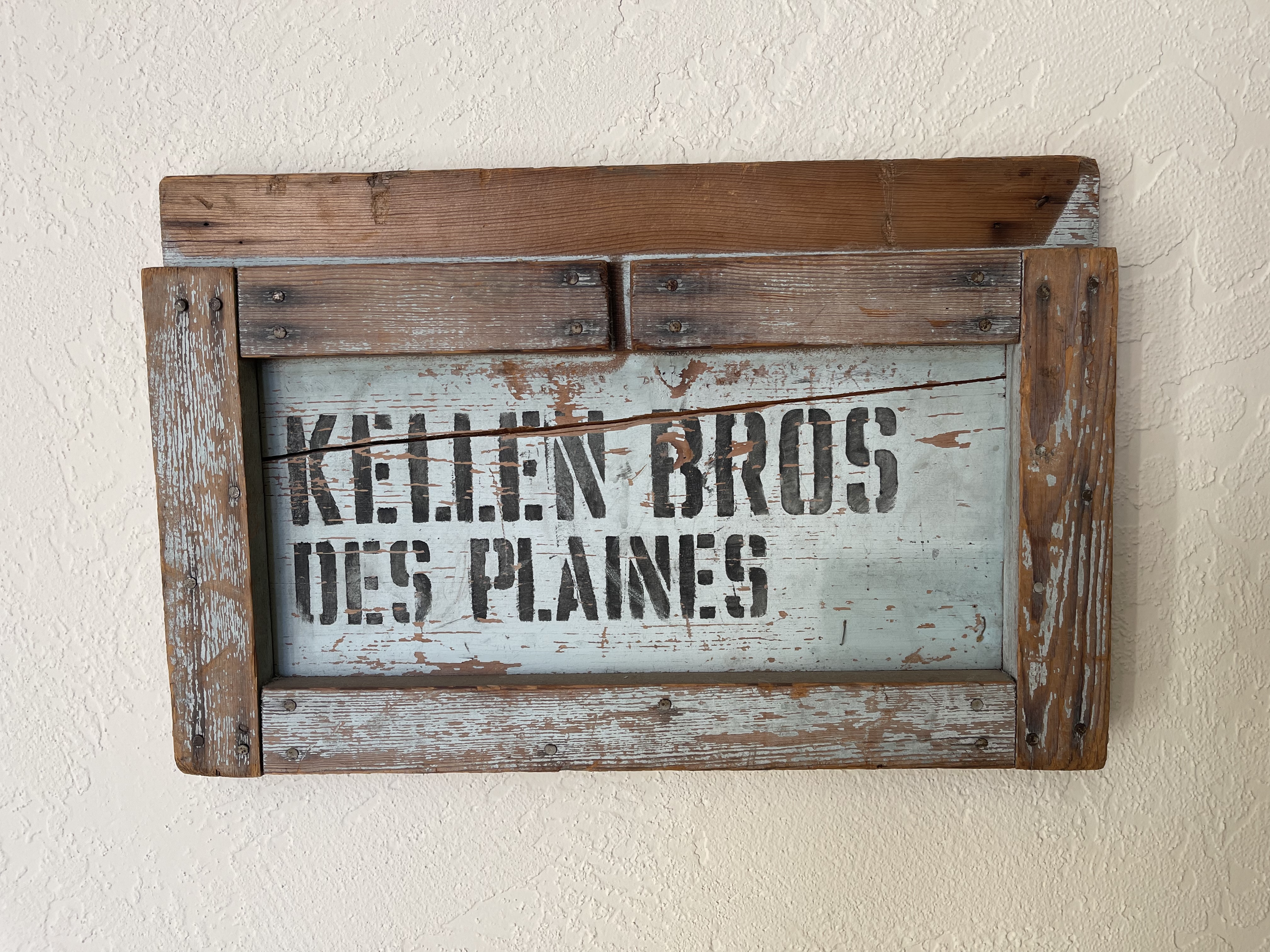
The oral tradition conveyed to me by my father was that Vegetable Growers Supply Co. was formed because the wooden box makers (produce was carried in wooden boxes to the market) were raising prices much too high for the greenhouse growers to accept. In response, they decided to form Vegetable Growers Supply Co. to make their own boxes.
The documents establishing the new company confirm this:
The object for which it is formed is, to manufacture, buy, sell, at wholesale and retail, lease, exchange, hold, own, dispose of or otherwise deal in boxes, baskets, barrels, sacks and other receptacles and containers for delivering, packing, and shipping vegetables and other farm produce;
But the company was also not limited, at least at incorporation, to just that, with the following additional objectives:
… to manufacture buy, sell, at wholesale and retail, lease, exchange, hold, own, dispose of or otherwise deal in fertilizer, agricultural implements and machinery, wagons, harness, trucks and all apparatus, appliances and supplies that are useful and convenient to the business of truck gardeners and farmers, and to buy, sell, at wholesale and retail, lease, exchange, hold, own, dispose of or otherwise deal in seed, grain, hay, coal and lumber, and to engage in and carry on any business similar interests.
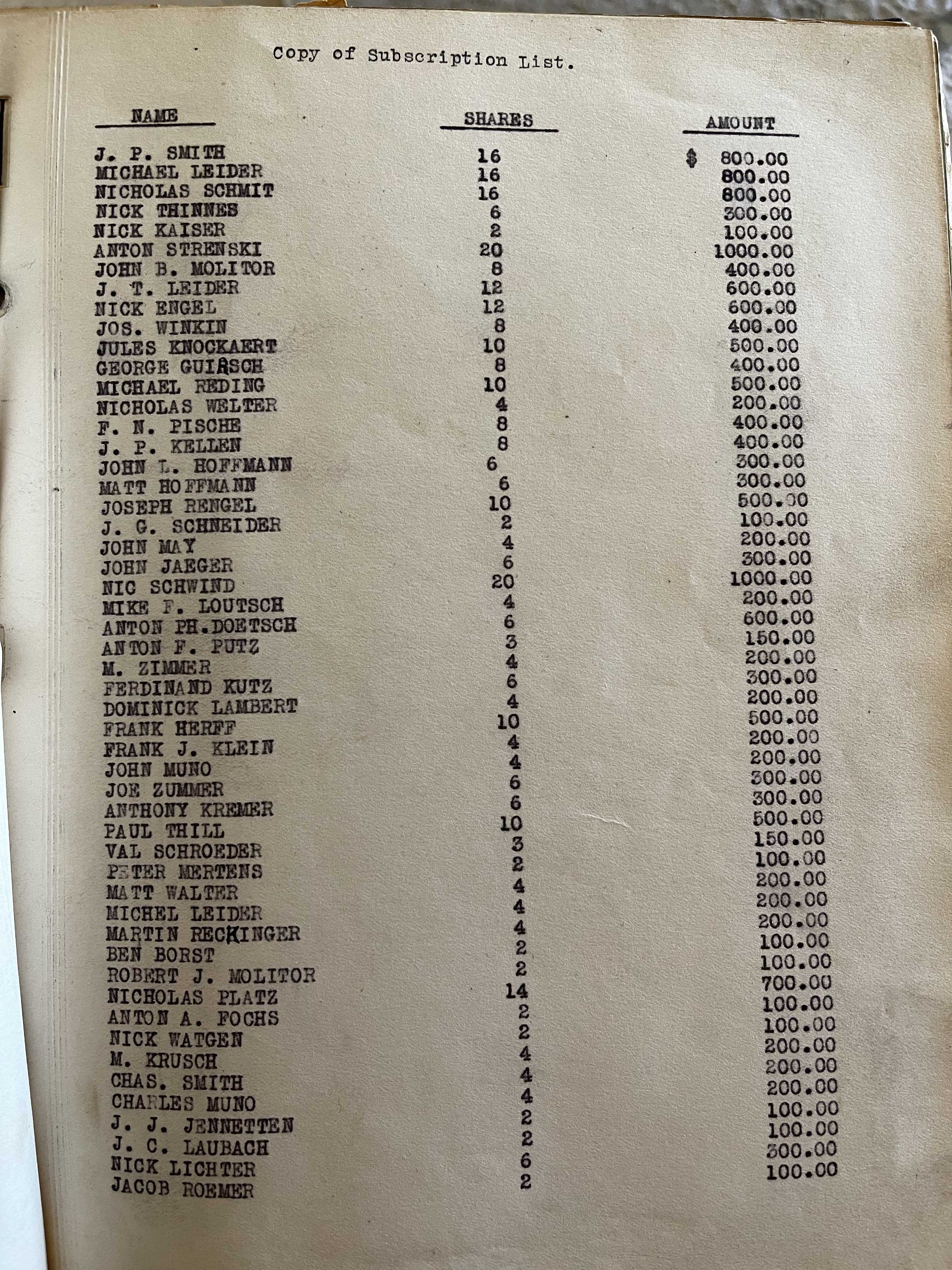
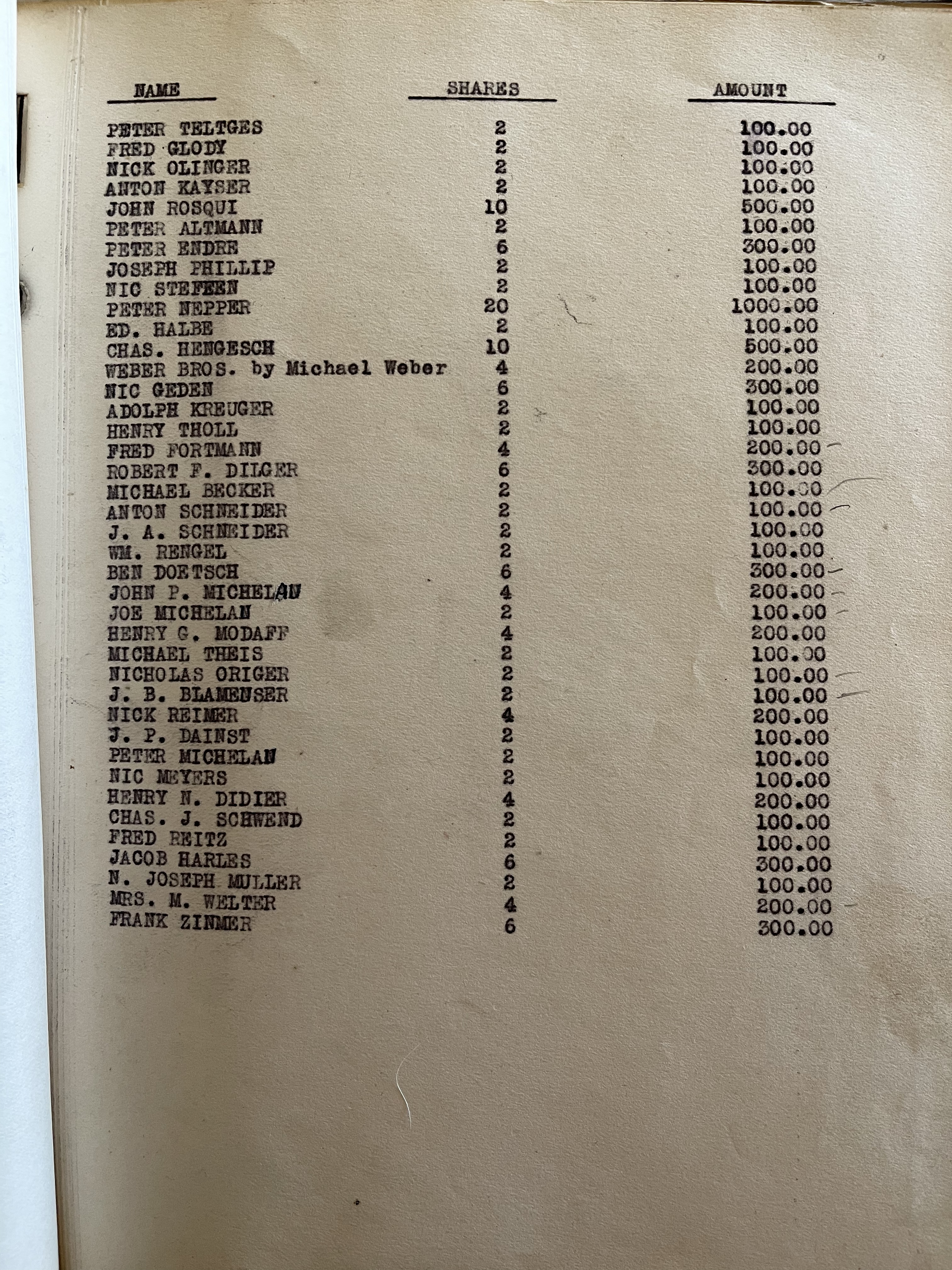
The company was capitalized with stock totaling $25,000 ($400,000 in 2021 dollars), with shares at $50 each ($800) and a total of 500 shares. The corporation duration is noted at 99 years.
The officers names in the articles of incorporation include J. Philip Smith as President, Joseph Rengel as Vice President, John. B. Molitor as Secretary and Michael Leider as Treasurer.
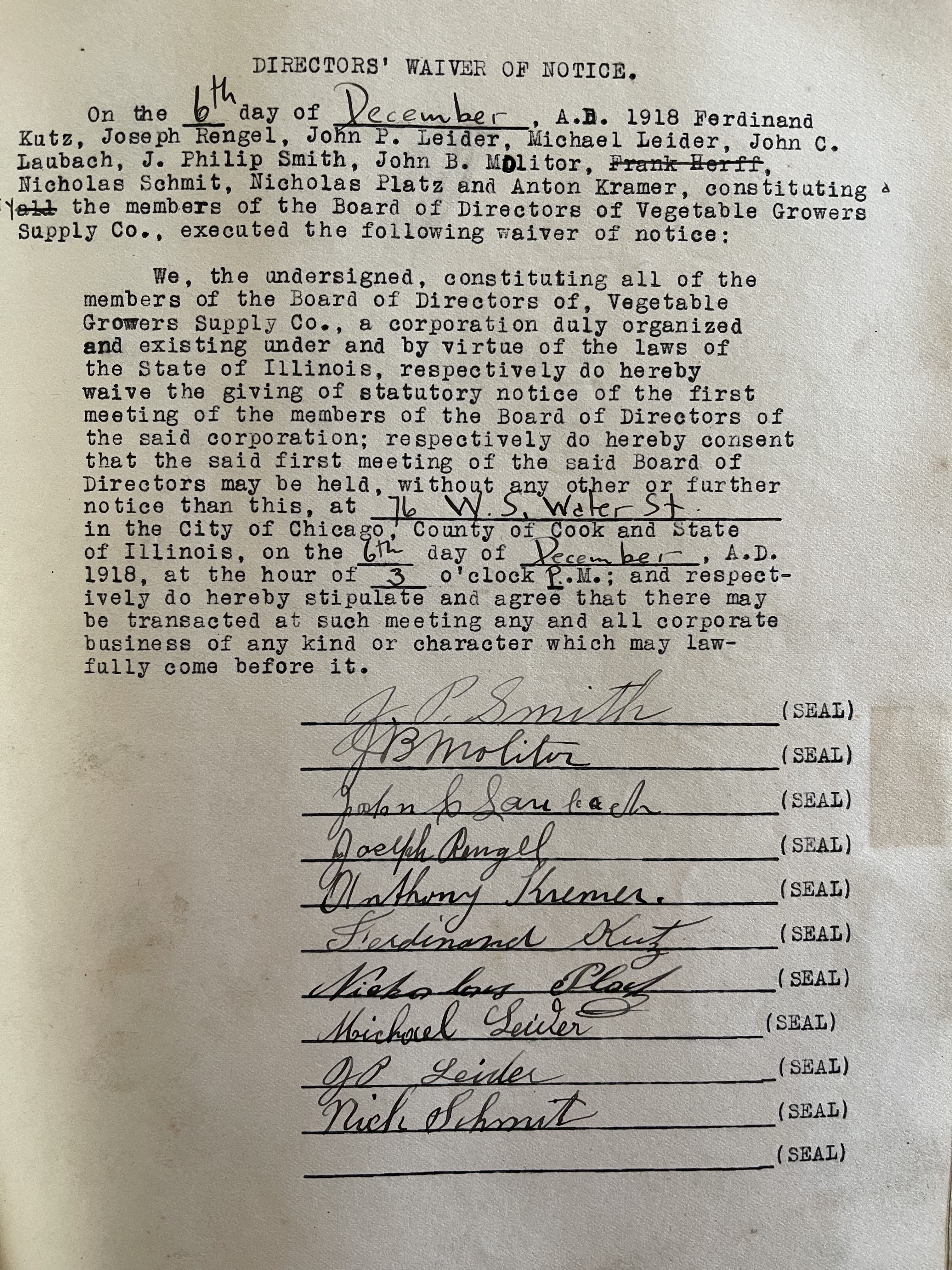
At the first director’s meeting, held on December 6, 1918 at 76 W. S. Water Street at 3:00 PM, the directors agreed to rules about stock ownership. Stocks would be issued to each holder after fully paying the stock price and marked with the corporate seal. The corporation held first rights on purchase stock being transferred, but only after the stockholder wishing to transfer stock notifies the corporate secretary, who in turn notifies all stockholders. An additional section was added to the templates legal documents prohibiting any one stockholder from holding more than 20 shares.
Present at this first director’s meeting were Ferdinand Kutz, Joseph Rengel, John P. Leider, Michael Leider, John C. Laubach, J. Philip Smith, John Molitor, Nicholas Schmidt, Nicholas Platz and Anton Kramer. J. P. Smith acted as chair of the meeting.
With this incorporation, one can infer that these truck farmers, who raised a substantial amount of money to capitalize this company, were concerned about two things: 1) creating a new and controlled source of supply to prevent price escalation of boxes and 2) be transparent about ownership and prevent any one truck farmer from dominating the stock ownership.
For a group of immigrants in this country not more than 25 years for most of them, the access to and the mechanics of incorporation in Chicago at this time enabled them to form a collective. Farmers were well connected to the gears of capitalism.
 Chicago Greenhouse Growers
Leave a comment